Menu
Springs once dried up are recovering – and making quite a splash.
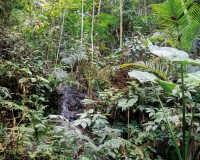
Over 300,000 natural springs nourish the Doce River watershed. Photo: Instituto Terra
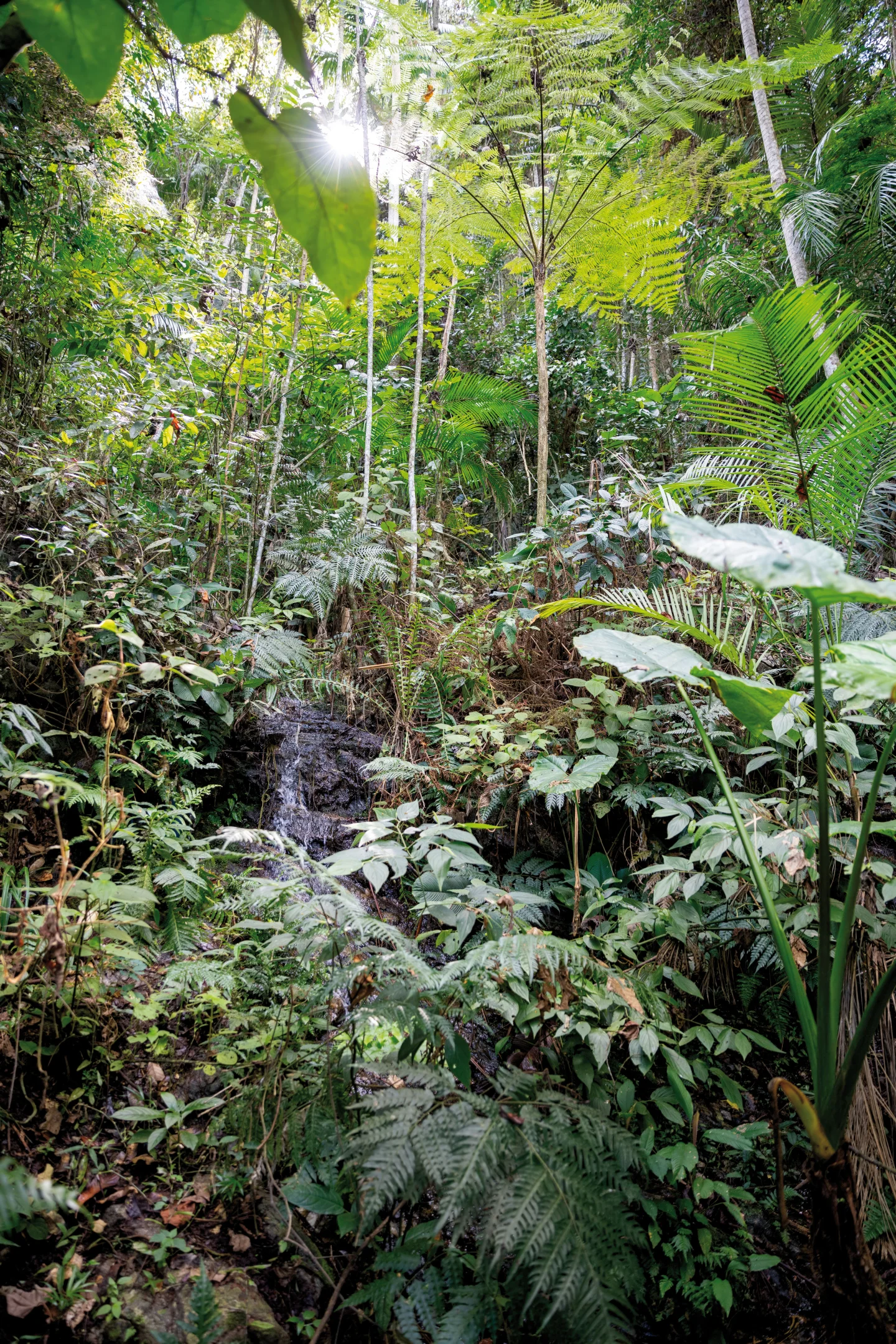
If water had a voice, it would certainly sing. In the Rio Doce Valley, that would be quite an event. With more than 300,000 natural springs along the Doce River watershed, where the springs are allowed to flow again, the songs would be of hope and better lives. Land misuse caused many of the area’s springs to run dry. In 2010, Instituto Terra responded with its ‘Olhos D’Água’ (eyes of water) program, working with local farmers to plant trees, which helps springs to recover. So far, Instituto Terra has restored more than 2,000 natural springs. By partnering with farmers willing to set aside some arable land for tree planting, they help replenish water resources – allowing farms to grow more crops and offsetting the small loss of farmland. The success of Olhos D’Água led to the launch of the Terra Doce program in 2023, which builds on this foundation by adding water conservation initiatives, supporting sustainable wastewater treatment, and encouraging soil preservation.
If the springs in the Rio Doce Valley could sing, their song would be of hope and better lives. Photo: Instituto Terra
Instituto Terra’s tree-planting effort has coaxed water back to life, reviving over 2,000 springs and reshaping the rhythm of rural existence.


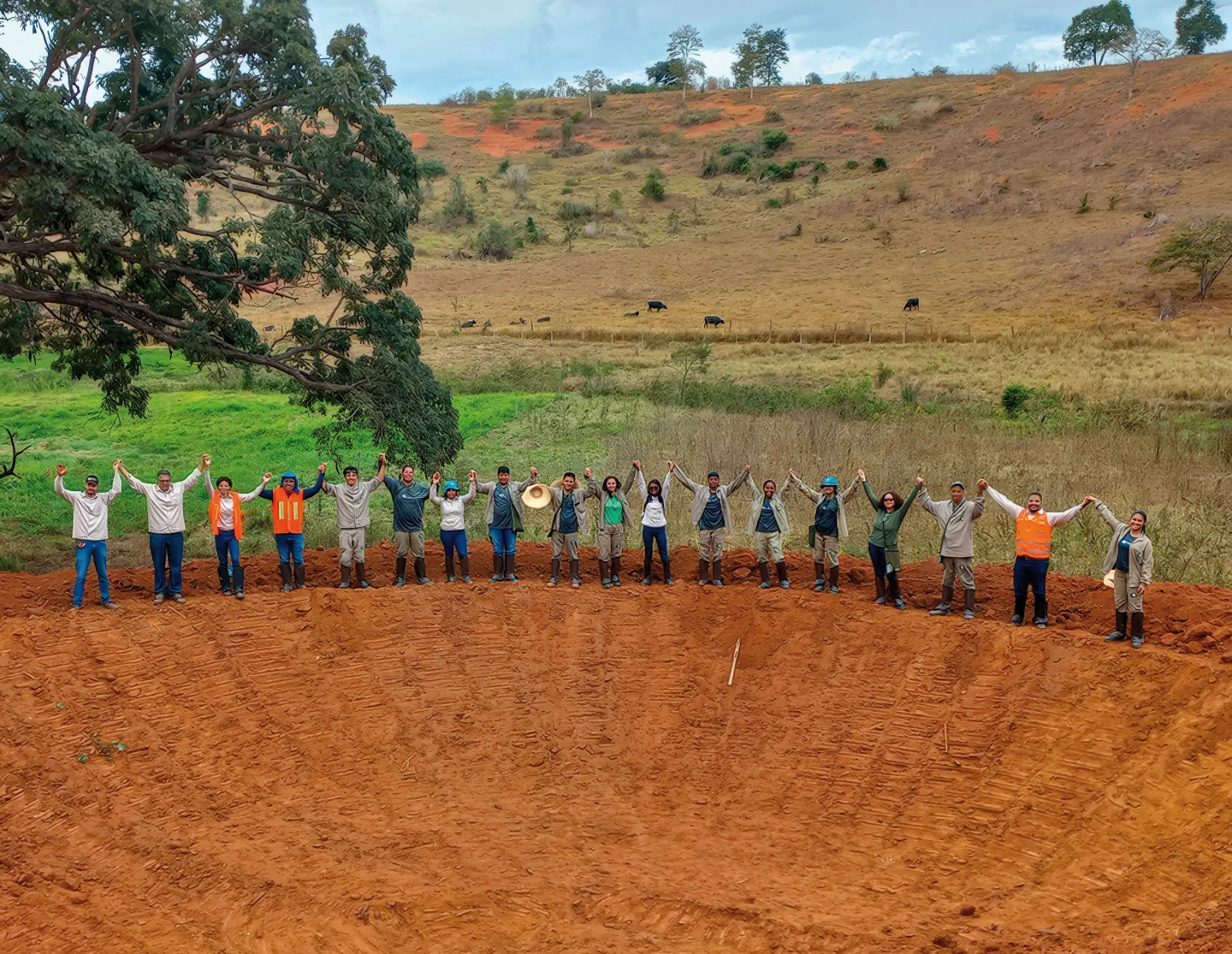
Instituto Terra’s ‘Terra Doce’ program supports the creation of small rainwater retention basins. Photo: Instituto Terra
Instituto Terra’s work includes replenishing water recharge areas where rainwater seeps into the soil. These are especially important in semi-arid regions. By allowing rain to percolate into the ground and into aquifers, the rain is captured by trees and plants before it can evaporate.
Through helping around 1,500 families in the region reforest their land, communities that depend on aquifers also benefit from Instituto Terra’s work. It is thus redefining the relationship between people, land, water, and wildlife, and fostering a cultural identity rooted in regeneration and sustainability. Even cattle ranchers are discovering that, with the right approach, raising livestock on reforested land can protect soil and conserve water, ensuring a sustainable income.
Instituto Terra is helping ensure the springs will keep singing, perhaps even more sweetly, in the years to come.
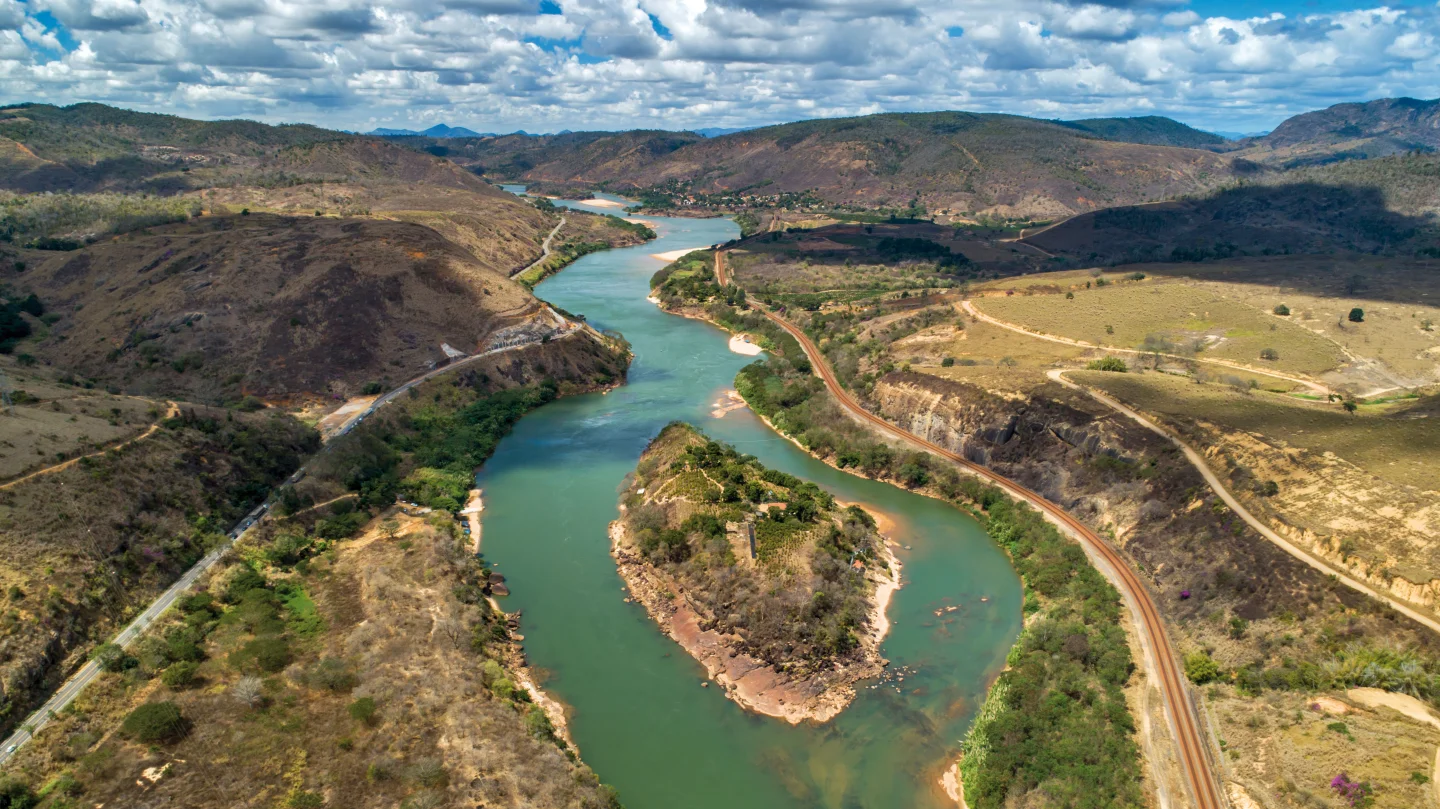
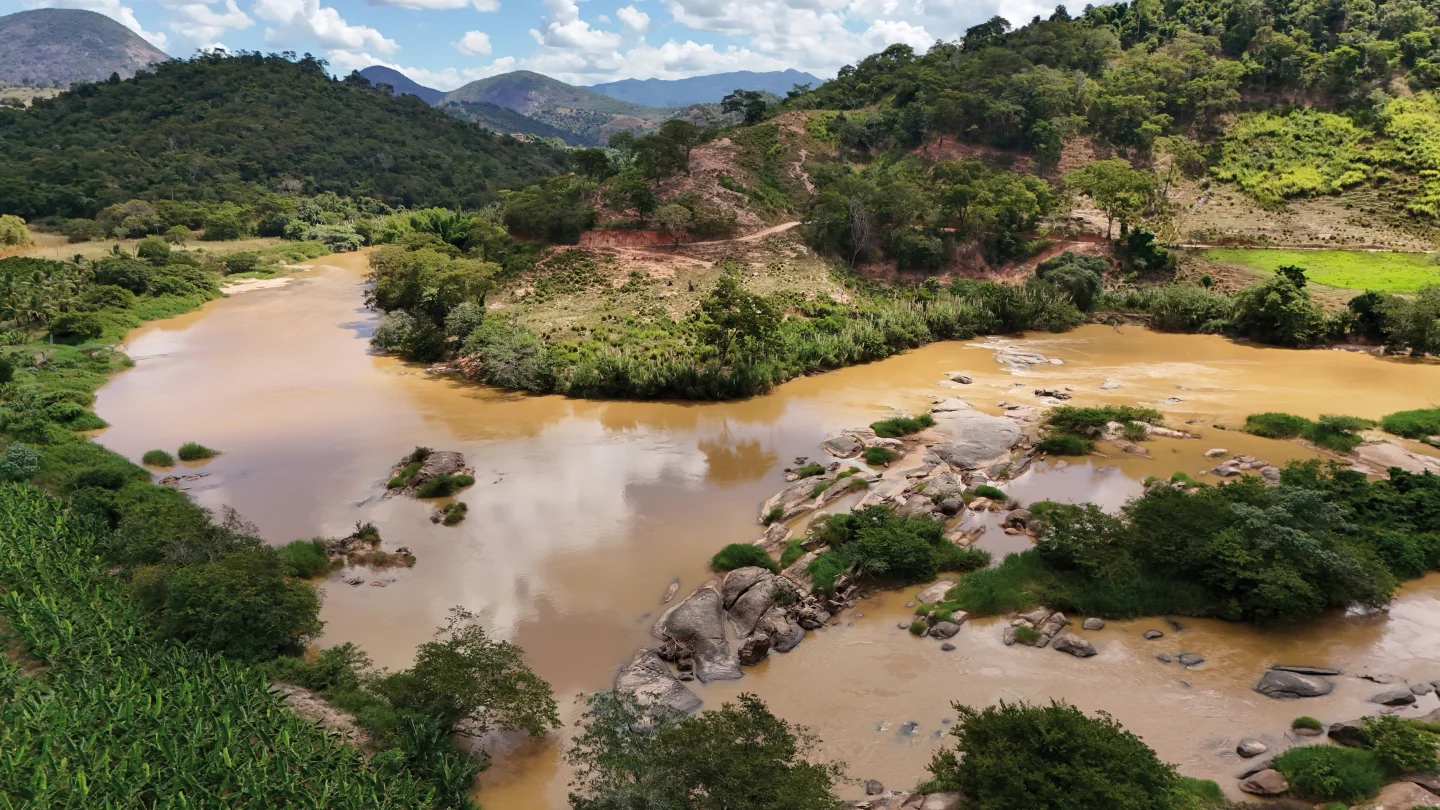
The Rio Doce, Brazil’s ‘Sweet River,’ flows through Minas Gerais and Espírito Santo. Photo: Leonardo Merçon

ZURICH INSURANCE GROUP
Alessio Vinci, Group Chief Communications Officer
Anja Heinsdorf, Project Lead
Published in November 2025
Panda & Pinguin GmbH
Andrea Bleicher
Studio Sturzenegger GmbH
Jürg Sturzenegger
Alice Ratcliffe
Heike Anja Mittmann
group.communications@zurich.com
Zurich Insurance Group
Group Communications
Mythenquai 2
8002 Zurich, Switzerland
This publication has been produced by Zurich Insurance Group Ltd solely for informational purposes. All information contained in this publication have been compiled and obtained from sources believed to be reliable and credible but no representation or warranty, express or implied, is made by Zurich Insurance Group Ltd or any of its subsidiaries as to their accuracy or completeness. No reliance should be placed on any statements contained in this publication. Neither Zurich Insurance Group Ltd nor any of its subsidiaries accept liability for any loss arising from the use or distribution of or reliance upon this publication.
This publication may not be distributed or reproduced either in whole, or in part, without prior written permission of Zurich Insurance Group Ltd, Mythenquai 2, 8002 Zurich, Switzerland.